

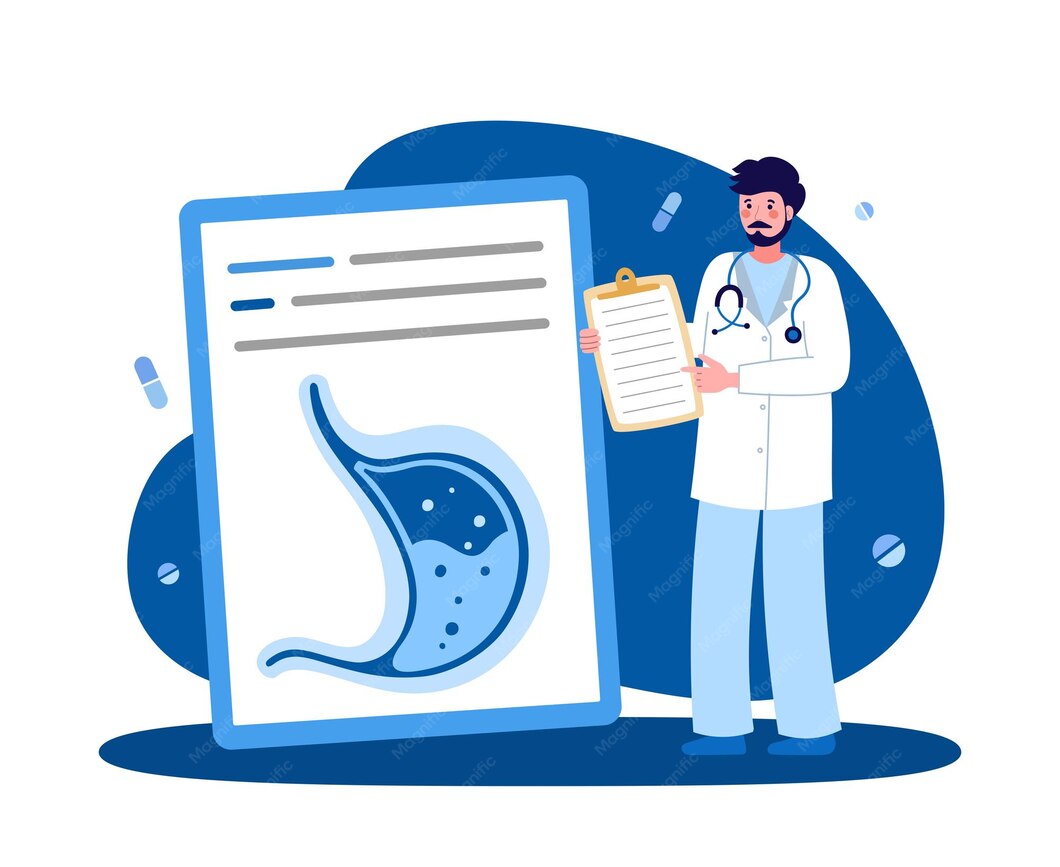

Digestive issues are common, but persistent symptoms shouldn’t be ignored. Many people rely on home remedies or over-the-counter medications for weeks or even months without realizing that an underlying digestive disorder may require medical attention.
If you’re experiencing ongoing stomach discomfort, changes in bowel habits, or unexplained digestive problems, it’s time to consult a specialist. Knowing the 10 signs you should see a gastroenterologist can help you receive early diagnosis, effective treatment, and prevent serious complications.
What Does a Gastroenterologist Do?
A gastroenterologist is a doctor who specializes in diagnosing and treating conditions affecting the digestive system, including the:
- Esophagus
- Stomach
- Small intestine
- Large intestine (colon)
- Rectum
- Liver
- Gallbladder
- Pancreas
Whether you’re dealing with chronic acidity, abdominal pain, liver disease, or digestive disorders, a stomach specialist can identify the root cause and recommend personalized treatment
10 Signs You Should See a Gastroenterologist
1. Persistent Heartburn or Acid Reflux
Occasional heartburn is normal after a heavy meal. However, frequent acid reflux may indicate Gastroesophageal Reflux Disease (GERD).
Common GERD symptoms include:
- Burning sensation in the chest
- Sour taste in the mouth
- Difficulty swallowing
- Chronic cough
- Hoarseness
Ignoring persistent acid reflux can damage the esophagus over time.
A gastroenterologist can recommend the most effective acid reflux treatment, lifestyle modifications, and medications to control symptoms.
2. Frequent Bloating After Eating
Feeling bloated occasionally is common, but recurring bloating after eating may indicate:
- Food intolerance
- IBS
- Gastritis
- Small intestinal bacterial overgrowth (SIBO)
- Digestive enzyme deficiencies
Persistent bloating deserves medical evaluation rather than repeated use of antacids.
3. Chronic Abdominal Pain
Ongoing stomach pain is never considered normal.
Pain that continues for several days or returns repeatedly may result from:
- Gastritis
- Peptic ulcers
- Gallstones
- Pancreatitis
- Inflammatory bowel disease
- Digestive disorders
A digestive health specialist can identify the underlying cause using modern diagnostic techniques.
4. Changes in Bowel Habits
If you’ve noticed sudden or long-lasting changes in bowel movements, consult a gastroenterologist.
Watch for:
- Chronic diarrhea
- Persistent constipation
- Alternating diarrhea and constipation
- Narrow stools
- Blood in stool
Early diagnosis often prevents complications.
Patients experiencing chronic constipation may benefit from professional constipation treatment instead of relying on laxatives long term.
5. Symptoms of IBS
Irritable Bowel Syndrome (IBS) affects millions of people and can significantly reduce quality of life.
Common symptoms include:
- Abdominal cramps
- Bloating
- Gas
- Diarrhea
- Constipation
- Mixed bowel habits
Modern IBS treatment focuses on identifying triggers, improving diet, reducing stress, and prescribing targeted medications.
6. Unexplained Weight Loss
Losing weight without changing your diet or exercise routine may indicate an underlying digestive condition.
Possible causes include:
- Malabsorption
- Chronic liver disease
- Cancer
- Crohn’s disease
- Ulcerative colitis
7. Difficulty Swallowing
Trouble swallowing should never be ignored.
It may be caused by:
- GERD
- Esophageal narrowing
- Esophageal inflammation
- Growths or tumors
A gastroenterologist may recommend an endoscopy to examine the esophagus and stomach for abnormalities.
8. Blood in Stool
Blood in stool is always a warning sign.
Possible causes include:
- Hemorrhoids
- Colon polyps
- Inflammatory bowel disease
- Colon cancer
- Anal fissures
Depending on your symptoms and age, your doctor may recommend a colonoscopy for accurate diagnosis.
9. Ongoing Nausea or Vomiting
Frequent nausea or vomiting may indicate:
- Gastritis
- Peptic ulcers
- Gallbladder disease
- Pancreatitis
- Intestinal blockage
Persistent symptoms require evaluation rather than repeated use of anti-nausea medications.
10. Liver Problems
Many liver conditions develop silently.
Consult a liver specialist if you notice:
- Yellowing of the eyes or skin
- Dark urine
- Persistent fatigue
- Swollen abdomen
- Loss of appetite
- Abnormal liver function tests
Early treatment can significantly improve long-term outcomes.
When Should You Get an Endoscopy or Colonoscopy?
Many digestive diseases cannot be diagnosed through symptoms alone.
Your gastroenterologist may recommend:
Endoscopy
An endoscopy helps diagnose:
- Gastritis
- Stomach ulcers
- GERD
- Bleeding
- Difficulty swallowing
- Stomach infections
Colonoscopy
A colonoscopy is commonly used to detect:
- Colon polyps
- Colorectal cancer
- Ulcerative colitis
- Crohn’s disease
- Chronic bleeding
- Unexplained bowel changes
These minimally invasive procedures allow early diagnosis and timely treatment.
Why Early Diagnosis Matters
Many digestive diseases gradually worsen if left untreated.
Early consultation can help:
- Prevent complications
- Reduce chronic pain
- Improve digestive health
- Detect cancer early
- Avoid emergency hospital visits
- Improve overall quality of life
Seeking medical advice early often results in simpler, more effective treatment.