

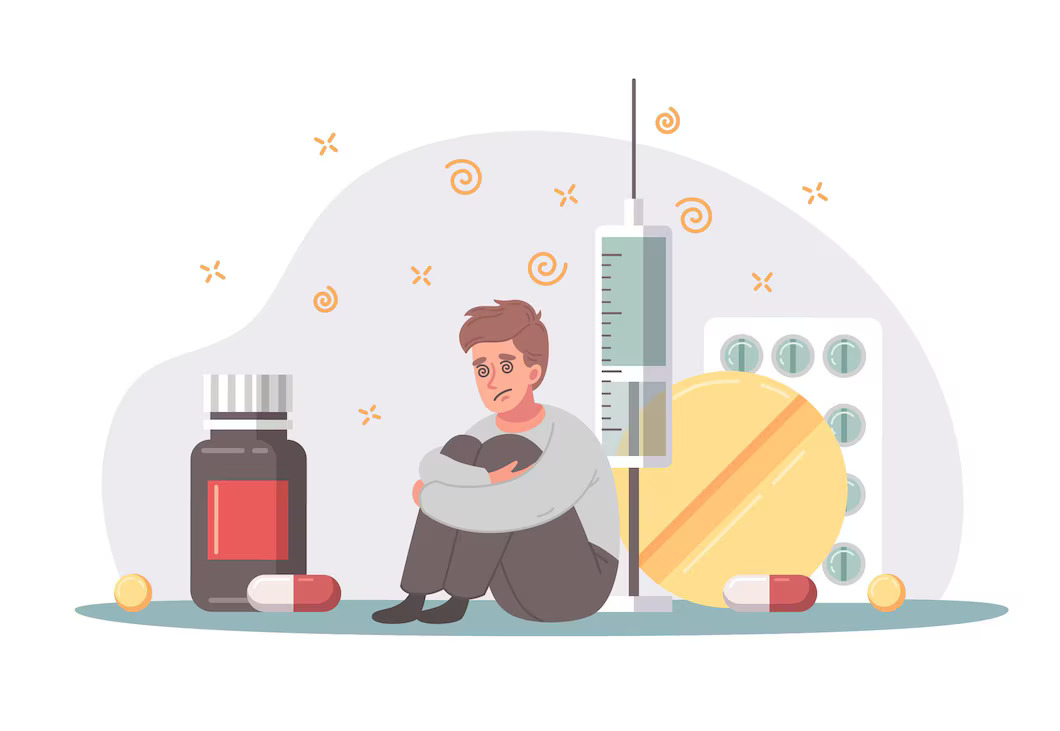

There are a lot of misconceptions regarding addiction and mental health conditions in Pakistan and worldwide. Due to this, a lot of individuals and families hesitate from seeking timely help, making recovery more difficult than it needs to be.
In this blog, we’ll break down 6 common myths about addiction and replace them with facts backed by modern psychiatric care and therapy practices. Understanding these truths can be the first step toward healing and recovery.
What Is Addiction?
Addiction is a chronic mental health condition that affects the brain and the body health, behavior, and decision-making ability. It can involve misuse of substances like drugs and alcohol or behaviors such as gambling.
Effective treatment often includes:
- Psychiatric evaluation
- Therapy sessions (individual & group)
- Structured rehabilitation programs
- Long-term relapse prevention strategies
Myth #1: Addiction Is a Lack of Willpower
The Truth
Addiction is not about weak willpower. It is a medically recognized condition that changes how the brain functions.
Substances alter brain chemistry, making it extremely difficult for a person to quit without professional help. That’s why therapy and psychiatric care play a crucial role in recovery.
Myth #2: Only “Bad People” Can Become Addicted
The Truth
Addiction can affect anyone, regardless of:
- Age
- Gender
- Socioeconomic status
- Education level
Many people who become addicted to substances are dealing with underlying mental health issues like anxiety, depression, or trauma.
Myth #3: You Have to Hit Rock Bottom Before Getting Help
The Truth
Waiting for “rock bottom” can be dangerous. Early intervention leads to:
- Faster recovery
- Lower risk of severe health complications
- Better long-term outcomes
Seeking help at the first signs of addiction can prevent years of suffering.
Myth #4: Detox Alone Is Enough for Recovery
The Truth
Detox is only the initial step, not the complete solution to recovery.
Without therapy and rehabilitation:
- The risk of relapse remains high
- Psychological triggers are not addressed
- Behavioral patterns remain unchanged
A structured program like a rehabilitation centre provides comprehensive care, including detox, therapy, and aftercare support.
Myth #5: Therapy Doesn’t Work for Addiction
The Truth
Therapy is one of the most effective ways to manage addiction treatment. Evidence-based approaches such as:
- Cognitive Behavioral Therapy (CBT)
- Motivational Interviewing
- Family therapy
help individuals understand triggers, change behavior, and build healthier coping mechanisms.
Myth #6: Relapse Means Failure
The Truth
Relapse does not mean failure, it means the treatment plan may need adjustment or improvement.
Addiction recovery is a long-term process, and setbacks can happen. With proper support, individuals can:
- Learn from relapse triggers
- Strengthen coping strategies
- Continue their recovery journey
Why Professional Help Matters
Trying to overcome addiction alone can be overwhelming. A professional treatment center offers:
- Medical supervision
- Personalized therapy plans
- Safe and structured environment
- Ongoing mental health support
In Pakistan, awareness about mental health and addiction is growing, but stigma still exists. Seeking help is a sign of strength, not weakness.